
Leaping Brooks and Walking Shadows
A tribute to my high school English teacher

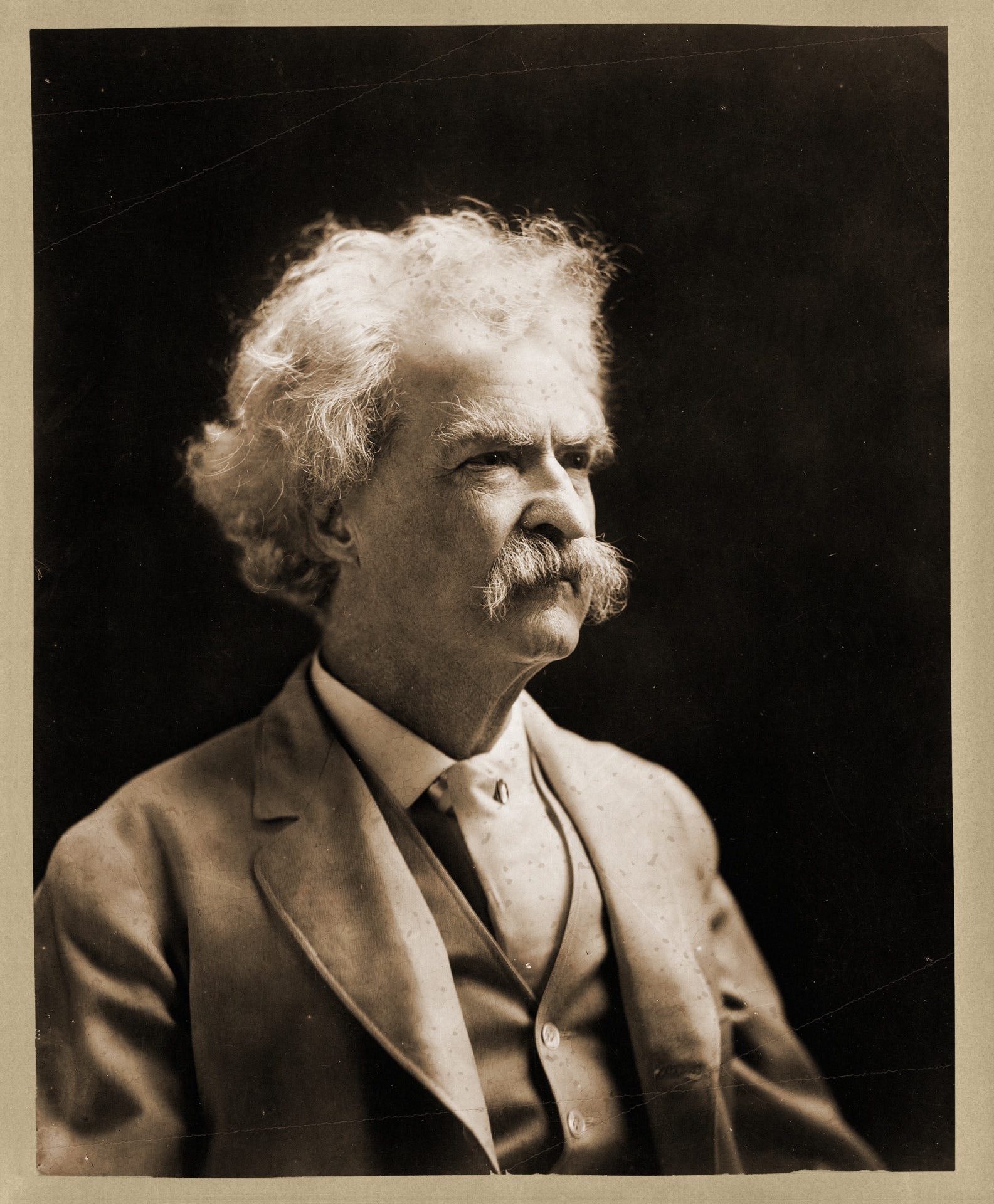
The following quote, attributed to Mark Twain, had me confused when I was about 10 or 12 years old.
“If it’s your job to eat a frog, it’s best to do it first thing in the morning. And if it’s your job to eat two frogs, it’s best to eat the biggest one first.”
It wasn’t until I hit my junior year in high school when Mr. George Rankin taught me about metaphors that I finally got the message in Mark Twain’s quip.
“A metaphor is a figure of speech that, for literary effect, refers to one thing by mentioning another, without using ‘like’ or ‘as.”
So, besides Twain’s advice on how to handle difficult situations, I remember Mr. Rankin’s own favorite examples.
“Life is but a walking shadow,” he quoted Macbeth,” a poor player who struts and frets his hour upon the stage, and is heard no more. Now, Pupils, what do you think Mr. Shakespeare meant by his metaphor of life being a mere walking shadow?”
I couldn’t answer it then, not having been exposed to existential tropes in literature, but it made me think, and that’s what he was after.
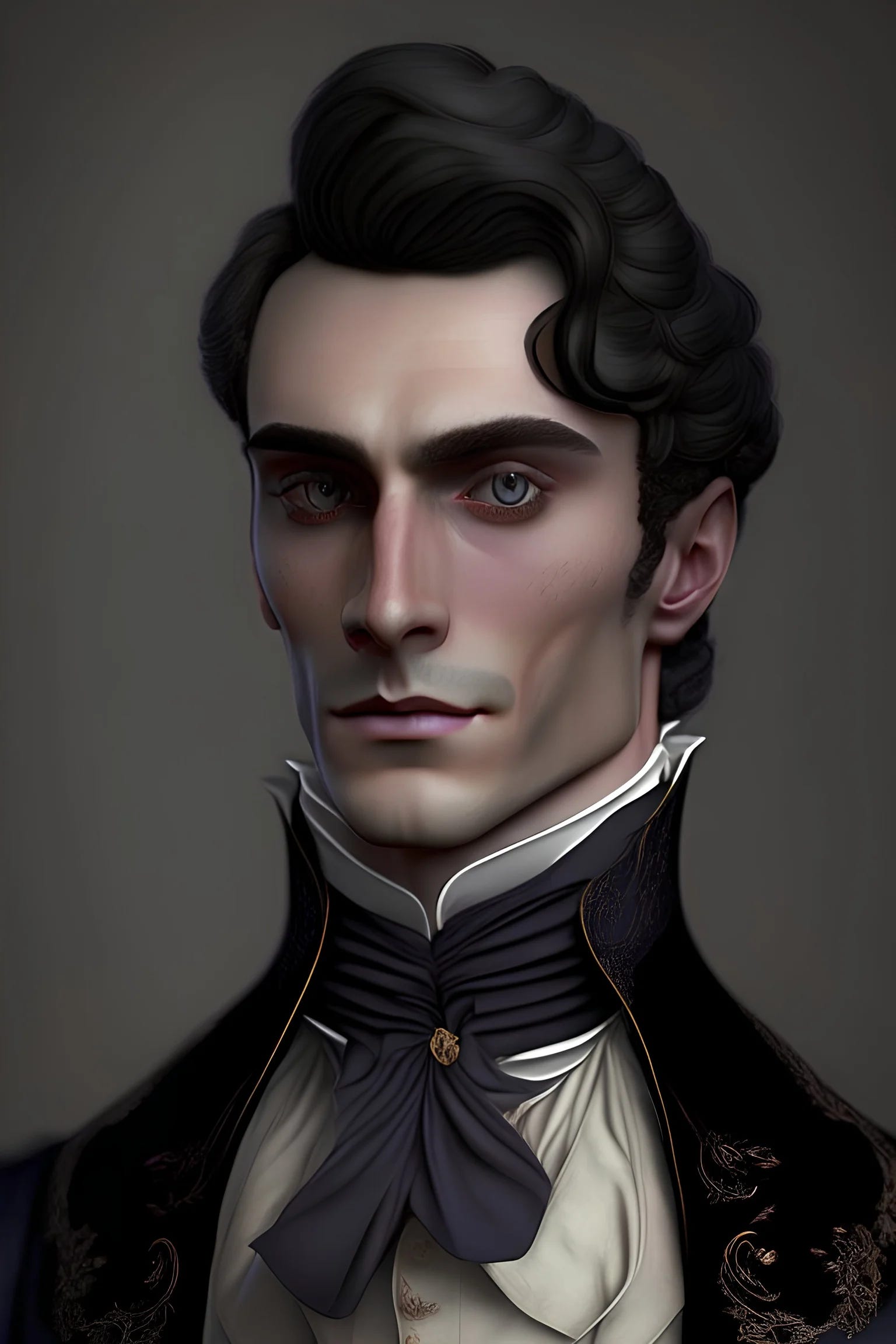
Mr. Rankin had been teaching for a couple of decades by the time I landed in his class. In appearance, he resembled a Dickens character, and I found it easy to imagine him in a high, starched white collar and black Victorian cravat or Edwardian black neck tie. He had the hatchet face and the manner of an Eton School master, tutoring a bunch of entitled boys, and his stern countenance instilled fear in many students who avoided his class.
But he also had a soft side, and he never, although the opportunity arose often, humiliated us or made us feel stupid. That lesson stuck with me when I took on the role of teaching wilderness skills and, later, crime scene investigation.
On the first day of my English class, after the mob had settled down, Mr. Rankin said, “Clear the impedimenta off your desks.” I had enough Latin by this time to know that impedimenta were what the Romans called baggage, so I dropped my stuff (the American term for impedimenta) onto the floor. It took the rest of the class a long minute before they began removing their notebooks, pens, and purses from their desks.
He waited patiently.
Mr. Rankin was the only teacher in my long academic life to read poetry to the class. Out loud. And I still remember two of the poems because they both held a longing for a past that perhaps never was. He read a few others over the course of the semester, but these two struck me as something personal to him.
One was A.E. Houseman’s elegiac quatrain,
With rue my heart is laden
For golden friends I had,
For many a rose-lipt maiden
And many a lightfoot lad.
By brooks too broad for leaping
The lightfoot boys are laid.
The rose-lipt girls are sleeping.
In fields where roses fade.
Even the wild teenagers in our junior class sensed that his voice carried a sense of sorrow as if from his own experienced grief, and the silence in the room was deafening when he finished speaking.
Mr. Rankin had a hard time finishing that poem, but he took a deep breath and quickly resumed his usual stoneface countenance.
A few weeks later, Mr. Rankin once again graced us with a reading, this time by Henry Wadsworth Longfellow, who had written my favorite poem, “The Midnight Ride of Paul Revere.” I expected something action-packed when he announced the author.
What we got was His Lost Youth.
Often, I think of the beautiful town
That is seated by the sea;
Often in thought go up and down
The pleasant streets of that dear old town,
And my youth comes back to me.
And a verse of a Lapland song
Is haunting my memory still
‘A boy’s will is the wind’s will,
And the thoughts of youth are long, long thoughts.’
The classes weren’t all poetry, of course. The usual craft of writing was emphasized, making sure we students knew not to split an infinitive, end a sentence with a preposition, or give “it” a possessive form with an apostrophe. (Now, of course, English has changed somewhat, and splitting infinitives and ending sentences however you please seems to be allowed.)
We wrote essays in Mr. Rankin’s class, read several books whose authors I don’t recall, and learned the basics of English composition. Proper grammar was as important to Mr. Rankin as figures of speech and iambic meter.
When I finally entered the University, Freshman English was my easiest course. After talking with other Freshmen, I learned that many of them felt the course was among the most difficult and that writing an essay was a major undertaking.
Although Mr. Rankin’s classes had been demanding, he instilled in me a love of words and the magic they bring when used properly with care. Although I’ve never had the gift of writing poetry or developed the eloquence of some classic writers, being able to express ideas in writing has long been a passion of mine.
And I owe a lot of this to Mr. George Rankin and his ability to infuse his love of the English language into every aspect of his teaching.

A Shropshire Lad, by A.E. Housman. https://monadnock.net/housman/lad-54.html
Brooks, M. A. (2011). I Hear America Singing: An Approach to Poetry\u27s Coalescent Intricacies of Sound, Structure, and Content. https://core.ac.uk/download/58823879.pdf
That's a heart warming set of memories to a capable and feeling teacher. Some people love their craft. I think he would have been satisfied with how his craft impacted you. I've been fortunate to have had a number of impactful teachers. You got lucky when you had him.
That's a wonderful memory and tribute to Mr. Rankin. While I cannot recall the name of my college freshman English professor, I do remember the first day of class when he asked if anyone had a poem they'd memorized and would share with the class. I glanced around, saw no hands raised, and raised mine. I shared Shakespeare's Sonnet 71 which begins 'No longer mourn for me when I am dead'. I embarrassed myself (slightly) by slipping into what I'd characterize as my fake English accent and I saw smiles across the room. I didn't care. I had a sonnet to share.